A trade show giveaway stands out when it links directly to brand goals and meets attendee interests in a way that feels both useful and memorable. Most companies hand out hundreds of items per event, but only a fraction spark genuine engagement. Items tied to a theme or clear purpose often see up to three times more follow up. Success depends on matching the product to the audience and avoiding generic choices:
Mismatch between product and audience is the most common failure. Generic giveaways typically end up forgotten or discarded before the event ends.
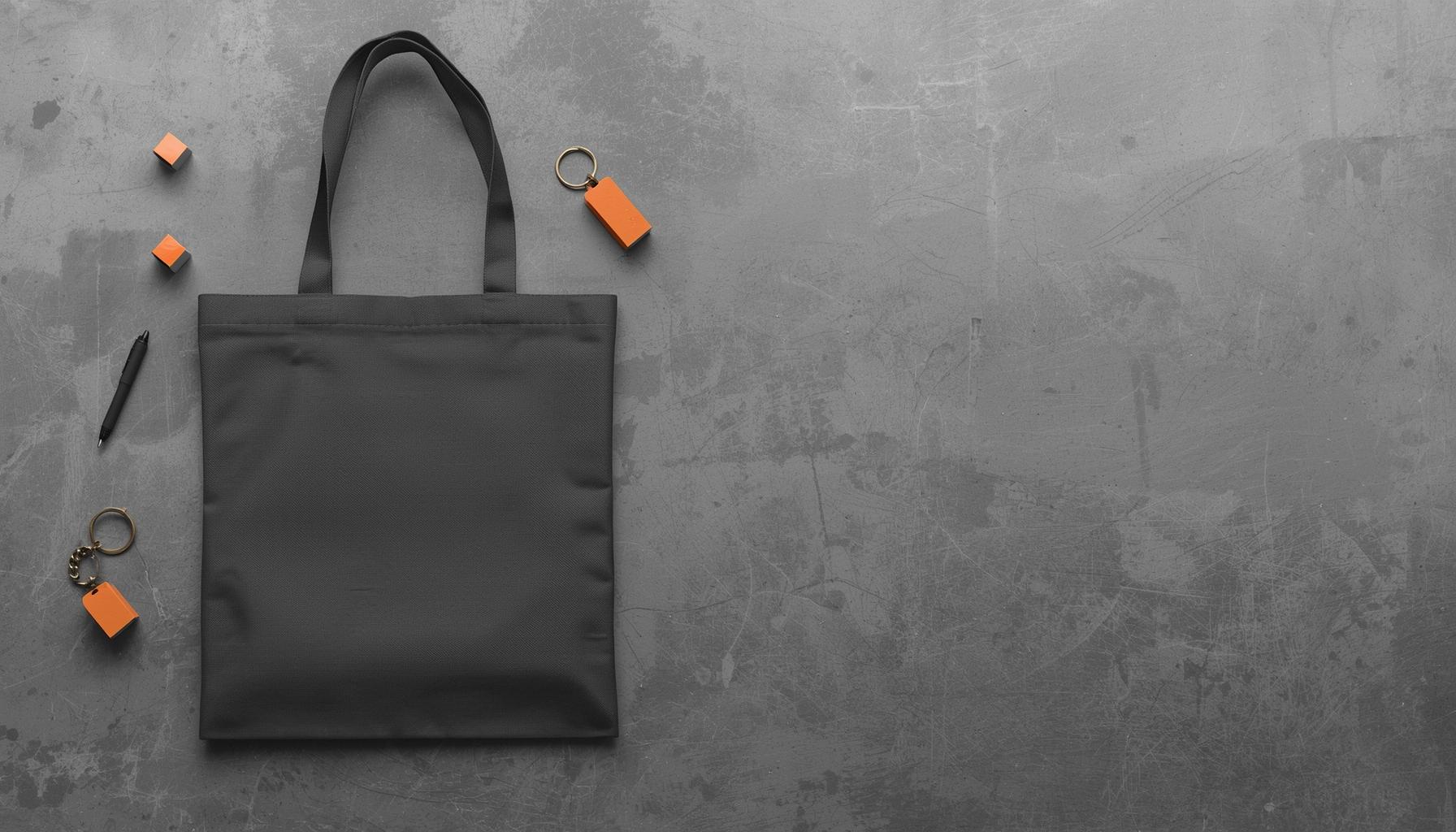
Basic items like pens and keychains often fail to draw crowds on busy trade show floors. Attendees seek something useful, memorable, or directly tied to their interests. When giveaways miss that mark, companies lose a valuable chance to make an impression.
Generic trinkets fill trade show tables but rarely leave an impression unless they serve a clear purpose. Attendees quickly pass by items that fail to match their current challenges or interests. The following mismatches show where relevance breaks down:
Interest rises when at least two-thirds of giveaways relate to attendee pain points or daily routines. Tailoring items to the event’s core audience brings real engagement and recall.
Stress balls and pens crowd trade show booths at nearly every event. When every table offers the same objects, interest fades fast.
Reusable shopping bags once drew crowds, but now gather dust, often left behind on hotel chairs. Attendees recall the item, not who gave it. Originality now holds the attention that bland repetition loses.
A custom puzzle piece or a gadget with a twist draws curious glances, sparking real conversations. The rare object becomes a talking point, while the standard keychain blends into the background.
Unoriginal giveaways end up forgotten, undermining both brand recall and booth traffic. A distinctive item tied to an event theme or inside joke cuts through the noise and starts new conversations.
Generic or irrelevant freebies quickly end up forgotten or discarded. Strong results come from understanding what the target audience actually values and tailoring choices to those needs.
Branded giveaways attract crowds, but not every item leads to meaningful follow-up. The gap between booth traffic and actual business shows why measurement matters. Concrete tracking methods reveal what delivers results:
A response rate above 30 percent signals the offer was memorable. Automated survey links or unique codes on items help connect actions to outcomes.
A branded item that solves a real problem or delights on the spot often earns a permanent place in a bag or on a desk. Forgettable trinkets vanish, but a creative approach can spark conversation and drive visits long after the event.
A reusable tote with a custom event slogan sparks more conversations than a plain branded pen. Recognition grows when giveaways reflect shared interests or values.
A water bottle printed with the city skyline of the host location draws longer lines at the booth than generic plastic cups. Attendees remember a badge holder listing inside jokes from the industry, while standard keychains blend in with others collected over the years.
Name engraving on a notebook or a lanyard with a team color, for instance, prompts recipients to show colleagues. Personal touches anchor the gift to the event experience and make the brand part of the story.
A generic item fades from memory by the end of the exhibition hall. A tailored detail keeps the brand top of mind long after the event closes.
A giveaway that asks attendees to participate often lingers in memory longer than one handed over passively. Physical activity or decision making deepens commitment because a person feels ownership of the result. Some of the most effective approaches include:
Passive distribution blends into the background and fails to spark conversation. Even a simple choice or playful moment can transform a branded item into a story worth repeating.
Emotional connection and usefulness raise the odds that a giveaway will influence later decisions. Attention to both the product itself and the way it is introduced can turn a fleeting moment into lasting engagement.
Custom-branded lighters and alcoholic miniatures often trigger compliance issues for companies in regulated sectors. Some giveaways also clash with brand values or fail to match the audience, leading to waste or reputational risk.
| Industry or Business Type | Disqualified Giveaway Item | Reason for Disqualification | What Typically Goes Wrong |
|---|---|---|---|
| Financial services | Scratch-off tickets | Gambling promotion restrictions | Licensing violations or public complaints |
| Children’s education companies | Keychain bottle openers | Alcohol association is prohibited | Parents protest or school bans item |
| Food manufacturers | Peanut-based snacks | Severe allergy risk | Cross-contact leads to health incidents |
| Healthcare providers | Unapproved supplements | Strict medical marketing rules | Fines or loss of trust |
| Environmental nonprofits | Plastic water bottles | Mission conflict with plastic use | Donors criticize perceived hypocrisy |
State-level regulations often differ for items like alcohol or supplements. Direct feedback from past events can reveal which giveaways caused issues before.